
Gold, silver, and the other IRA metals
How the metals compare, what to know about coins and bars, and how premiums work, so you can ask better questions.
Gold vs silver
Both can go into a self-directed IRA. They behave differently, and many people hold some of each.
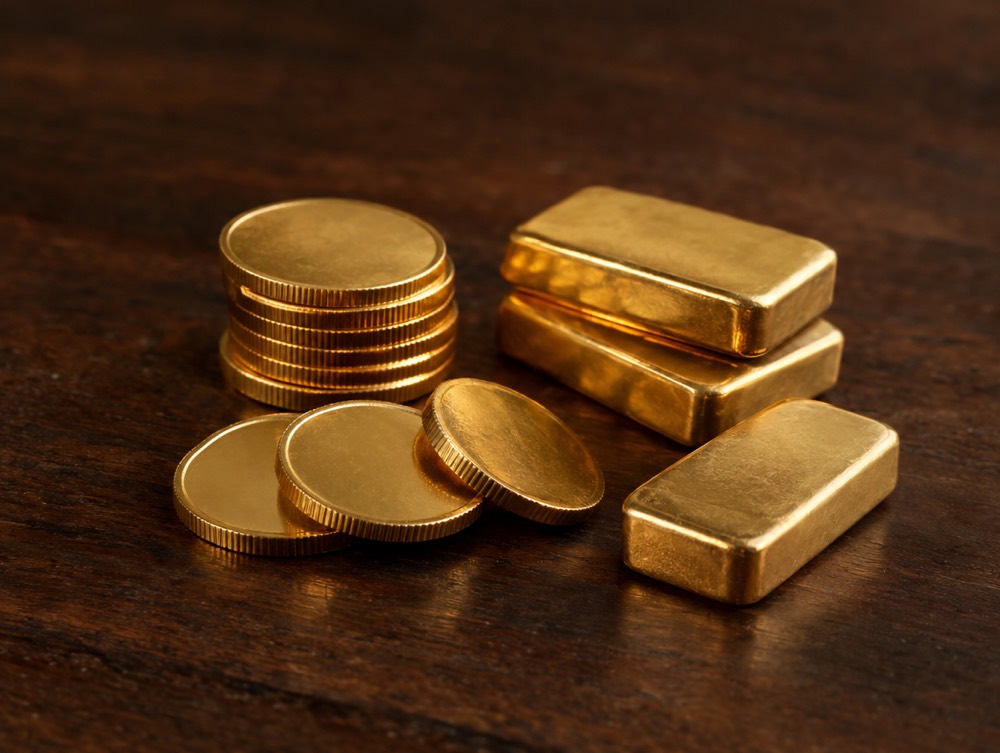
Gold
- A lot of value in a small space, so storage per dollar is lower
- Prices have tended to move less sharply than silver
- Widely recognized and easy to price
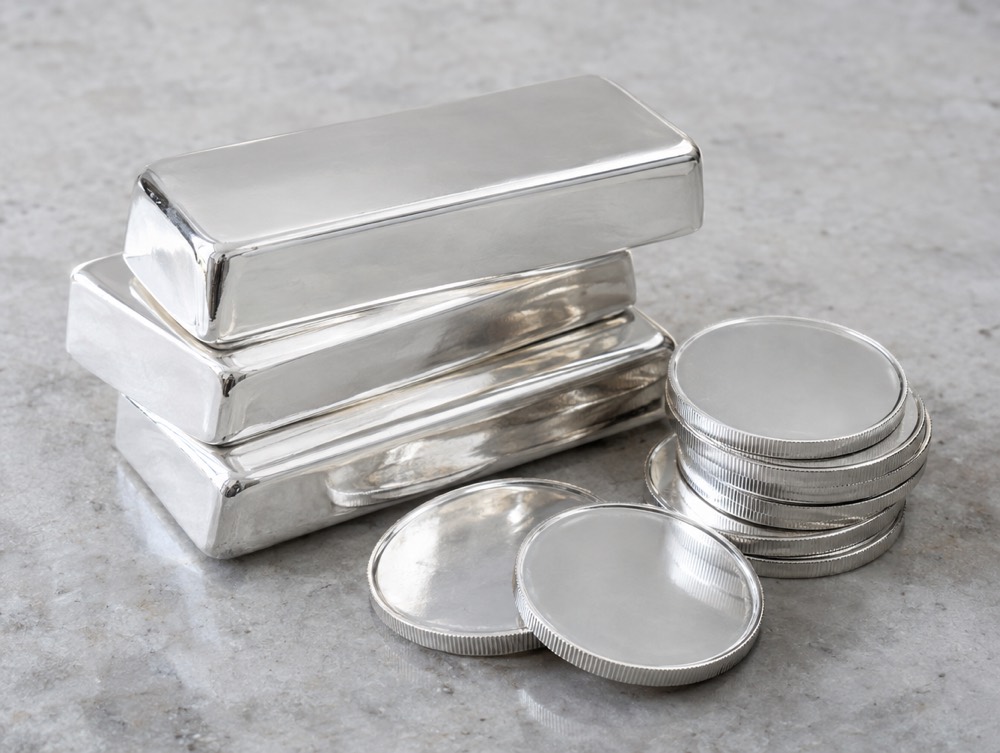
Silver
- Lower price per ounce, so it is easy to buy in smaller amounts
- Prices tend to swing more, up and down
- Takes more storage space for the same dollar value
Coins, bars, and rounds
The same metal comes in different forms, and the form you choose affects what you pay.
Coins
Recognizable bullion coins are easy to buy and sell, but usually carry a higher premium per ounce.
Bars
Larger bars usually have a lower premium per ounce, but are less flexible to sell in small pieces.
Rounds
Coin-shaped pieces made by private refiners, often priced between coins and bars.
Platinum and palladium
Both can also be held in an IRA when they meet purity standards. Their markets are smaller and prices can be more volatile, so most people keep them to a small share, if any.
Spot price, premiums, and spreads
The price you pay for metal is never just the spot price you see quoted online.
- Spot price: the market price for raw metal, which changes all day.
- Premium: what a dealer charges above spot. It covers minting, handling, and profit.
- Spread: the gap between what a dealer sells for and what it buys back for. A wide spread means you start further behind.
Ask every company for its premium and buyback price on the exact products it recommends, then compare.
How much metal is the right amount?
There's no single answer, and we don't give investment advice. Many people treat precious metals as one part of a diversified plan rather than the whole plan. A licensed financial professional can look at your full picture and help you decide.